The quest for the ideal queso helado near me frequently starts with a simple craving and swiftly evolves into an interesting food trip. This cherished Peruvian treat has expanded its reach, charm, taste, and cultural significance to captivate everyone who loves food. As the name suggests, queso helado is not made of cheese. Rather, it’s a frozen treat that tastes more creamy and cinnamon than a typical ice cream.
With the ever-expanding food culture around the earth, people are finding out about genuine South American desserts. The unique aspects of Queso helado are its smooth texture, aromatic spices, and historical significance. From a vibrant city market to a vintage-style Peruvian restaurant to a specialty dessert parlor, this frozen treat promises a satisfying experience, rich in comfort, freshness, and tradition.
As the world has become more aware of different cuisines, it has become much easier to find authentic queso helado these days. Those with a passion for food are always looking for specialties that have a story to tell, and this dessert is a testament to centuries of culinary evolution. A good serving can make a trivial night of desserts into a worthwhile cultural exploration.
When it comes to frozen desserts, lookers may find themselves faced with a wide array of choices, but queso helado is unique. The blend of milk, cinnamon, coconut and a light sweetness makes it an ideal treat for adventurous and classic comfort food lovers alike. Knowing the proper authentic queso helado is extremely helpful in finding the truly exceptional ones.
Understanding the Origins of Queso Helado
The origins of Queso helado are quite interesting and trace back to the city of Arequipa in the South of Peru, where the gastronomy is very rich. It was created by combining indigenous and colonial influences, which is typical of the dishes made in Peru. The recipes and preparation methods were maintained from generation to generation and are still the same for true queso helado today.
It literally means “frozen cheese” but it is a dessert with no cheese. It is thought that the name arose since the finished product looks and feels like some fresh cheeses. It’s easy to see how the creamy texture and light color led to the unusual name, and it has got generations of dessert enthusiasts pondering.
In Arequipa, traditional vendors will often make queso helado by hand using traditional methods passed down from generation to generation. Fresh milk, coconut, cinnamon, cloves and vanilla are all common ingredients in recipes. The perfect balance of these elements produces a rich and refreshing dessert.
Peruvian cuisine started to find international recognition and queso helado was introduced in specialty shops and restaurants all over the world. This iconic frozen treat is one of the most popular desserts in Peru today, and it’s easy to see why.There are many desserts to choose from in Peru, but this has been one of the most popular and iconic frozen treats that you can find there.
What Makes Authentic Queso Helado Unique
A lot of frozen desserts use a lot of sugar and artificial flavours. In contrast, queso helado is authentic, and focuses on natural ingredients and aromatic spices. The outcome is a complex flavor with a balance that isn’t too sweet.
Cinnamon and a hint of coconut are warm accents that stand out against the creamy bottom layers. Such flavors offer a comforting dessert in cooler weather and refreshing in hot weather. This versatility contributes significantly to its enduring popularity.
The texture is also a very important factor in the appeal of the dessert. However, traditional preparation techniques tend to make ice crystals more fragile, which results in a nice ice texture and creaminess. Queso helado is not as rich as some high quality ice creams, but it is lighter and fresher.
Authentic queso helado has been described by food writer María González as “one spoonful is an example of history, tradition and celebration frozen into a single dessert”. This is the feeling that many feel when they have a good serving that was well made.
Why Searches for Local Queso Helado Continue to Grow
In the last decade, there has been a huge surge in interest in foreign desserts. Visitors are eager to replicate the enjoyable food experiences they had while traveling, and social media users are introduced to the cuisines of the world. The rise of these trends has sparked a wave of curiosity from food enthusiasts and foodies alike for the best queso helado near me.
Authenticity is one of the top values that modern customers hold dear. Instead of mass-produced frozen treats, lots of people are looking for locally-made treats that have cultural meaning. The Queso helado is the perfect fit for this trend; it has a unique flavor and a significant history.
However, Peru’s cuisine is also internationally renowned for its variety of ingredients and innovative cooking methods. While taste-testing classic Peruvian food, it’s hardly surprising that patrons will want to know about the authentic treats that will top it off.
Another reason for their popularity is that more and more people are becoming interested in artisanal foods. Crafted desserts that are handmade can offer a better experience than the mass-produced ones. This is the artisanal nature of Queso helado, made through traditional methods and a commitment to detail.
Key Characteristics of High-Quality Queso Helado
To find an authentic queso helado, you have to be familiar with what makes a good queso helado and what makes it bad or fake. A number of features are invariably found in the best works.
The smell should instantly tell you that it’s a cinnamon spice. The fragrances evoke anticipation and are an assurance that traditional ingredients have been liberally used. But if there is an artificial fragrance or too much sweetness, this indicates lower quality.
Another key factor is flavor balance. Authentic queso helado should offer a creamy richness along with refreshing attributes. No one ingredient should be the overpowering element.
Texture also should be taken into account. The dessert is smooth, but not too heavy and has a few crystalline touches that give it its special flavor. If it is too icy or too heavy, it means that shortcuts have been taken in preparation.
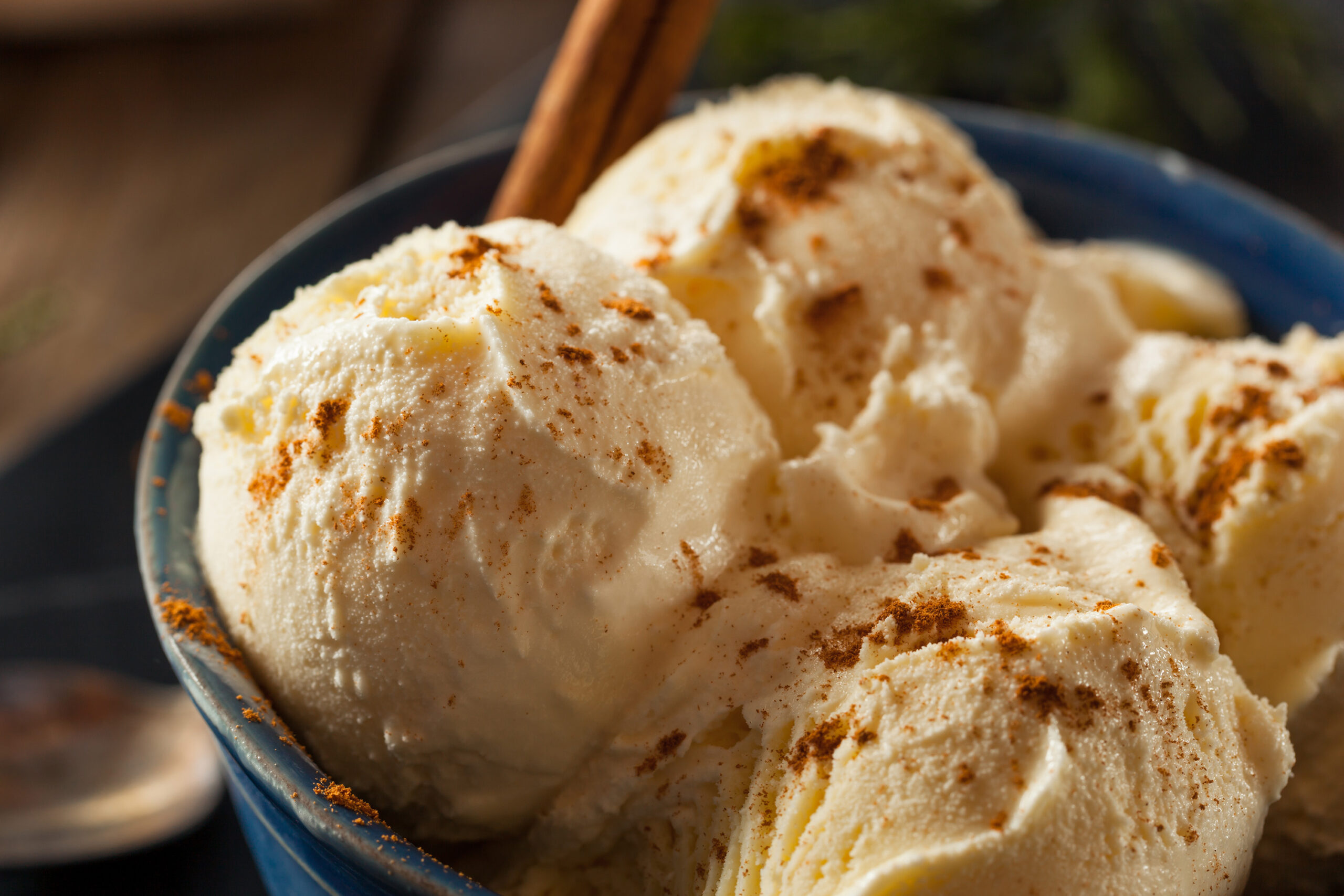
Often craftsmanship is apparent in the visual presentation. These traditional servings are often light in color and creamy, with a sprinkle of cinnamon. A simple yet elegant presentation that showcases the history of the dessert.
The authentic queso helado makes use of several ingredients that are responsible for its distinctive taste. There are some differences that vary between families and vendors, but there are a few elements that are common to traditional ways of preparing foods.
The ingredients are in harmony, not competing for the audience
In traditional recipes, the quality of the ingredients is more important than the complexity. With a few simple ingredients, careful preparation, fresh dairy products, and aromatic spices, it’s possible to get amazing results.
There are many interpretations of modern recipes which add flavors, but those who prefer traditional methods will enjoy the traditional recipes better. The classic versions have been popular for years and years, and they are still popular today.
Local restaurants are promoting Queso Helado to new audiences in creative ways
The role of restaurants in spreading awareness of traditional desserts is of great importance. Queso helado is a popular cultural delicacy and many Peruvian businesses offer it as a specialty to their customers.
Dessert menus are often used to share a culinary heritage story. Restaurants can share information about the origin of queso helado and present it with the queso, thereby giving customers a chance to understand its history. This educational approach enhances the overall dining experience.
Some serve queso helado in a traditional fashion, others have modern presentations. There are modern methods of plating that can draw in new audiences without sacrificing authenticity.
Another area that has helped to make dessert more popular is the rise of businesses specializing in dessert. Sometimes specialty ice cream parlors offer concoctions inspired by queso helado, allowing patrons to sample tastes they might not have heard of in a palatable manner.
As Latin American food has become more common, there are other avenues for exposure. Traditional desserts like queso helado are featured in many food festivals, cultural celebrations, and culinary events, providing visitors with a chance to try out the traditional sweet.
The Cultural Significance Behind Every Scoop of Dough!
Queso helado is more than just a frozen treat. It symbolizes traditions, family bonds, and regional pride. Eating queso helado is a reminder for many Peruvians of festivals, markets, and community.
Street vendors have been integral in keeping the dessert alive throughout the years. They played a role in carrying over the traditional recipes and methods of preparation from one generation to the next in local markets.
The desserts are also a part of the larger narrative of cultural exchange. The indigenous ingredients, and the European influence, blended to form something truly “Peruvian.” This mix is evidence of the way culinary traditions develop while they still remain rooted in their origins.
It is not uncommon for travel writers to mention queso helado as an emblem of Arequipa’s identity. Many travelers consider sampling the authentic versions a must experience while visiting the city and its culinary history.
The dessert remains a cultural ambassador, making its way across the globe and familiarizing people with the diversity and richness of Peruvian cuisine through its growing popularity and recognition.
Tips for Identifying Authentic Vendors
Often, to find authentic queso helado, you have to be aware of fine details. Those who specialize in traditional preparation often exhibit a high level of tradition and quality.
Older venues generally have significant knowledge and expertise. Many years-old businesses have high standards and authentic recipes.
The feedback from customers can be helpful in understanding taste, texture, and authenticity. Certain positive feedbacks that reference “traditional preparation” may be a good destination.
If a menu focuses on Peruvian dishes, it’s likely the establishment is authentic. Restaurants that are very familiar with Peruvian culinary traditions are more inclined to make queso helado in the traditional way.
An observation can also provide critical information. The use of fresh ingredients, careful presentation and knowledgeable staff are often an indication of a genuine commitment to quality.
Flavor Profiles That Make Queso Helado Memorable
The amazing variety of queso helado flavors is why the search for the best queso helado near me is ongoing. The ingredients are quite basic, but the finished product is quite sophisticated.
Often, the first sip highlights creamy dairy richness with moderate sweetness. This basis is supporting but not overpowering.
The cinnamon is a prominent flavour in each morsel. The warm scent it produces gives a comforting effect to queso helado, separating it from traditional frozen desserts.
Coconut adds delicate tropical hints and other textural elements. It does not overpower the taste of other ingredients but adds to the richness of the blend.
The other ingredients, cloves and vanilla, are present but not as prominent, and come into play more deeply with every spoonful. These details foster a leisurely appreciation and enjoyment.
Seasonal appeal and enjoyment and year-round appeal.
Frozen desserts may seem like a summer treat, but queso helado remains popular year round. The spicy warmth it provides adds a perfect balance of invigorating and soothing flavors.
The dessert is a perfect respite from the heat in summer. It is also lighter in texture and sweeter than some other frozen desserts, which helps to minimize the weight and feel of the product.
During colder seasons, cinnamon and spice creates warmth and familiarity. The versatility makes queso helado an evergreen option, making it relevant no matter the climatic fluctuations or seasons.
Traditional desserts are common at holiday times as they represent cultural heritage. Queso helado is a perfect addition to festive occasions, as its history and taste appeal to the masses.
Many fans regard it as a treat that deserves to be savored year-round, instead of just in the summer. It has proved its versatility, adding to its continued popularity with different audiences.
Food Tourism is on the rise.
The way locals find out about local specialty has changed as a result of food tourism. Food lovers are more likely to book trips based on authentic cuisine and desserts that represent the local culture.
This is good news for Queso helado, as it gives them a unique opportunity to experience Peruvian heritage. Typically culinary tours will call attention to these old-style dessert stalls as key visits.
The awareness has taken a quantum leap with travel blogs and social media. Photos and reviews are introducing food to the world that people may not get to taste.
There is often a boost in visibility for local businesses. The more people experience it, the more they want to learn about it and enjoy its flavors as a tourist or local.
The connection between tourism and food preservation is a good opportunity. Increased interest leads to improvements of traditional methods and the introduction of traditional methods to new generations of vendors.
This Policy Should be Reviewed as Part of the Health Considerations and the Nutritional Perspective
As with most desserts, queso helado is best served as one of the components of a healthy lifestyle. But, many fans love its relatively simple formula in comparison to more processed frozen desserts.
Older recipes tend to use familiar ingredients, instead of a lot of additives. This simplicity resonates with the consumer, as they look for more natural food choices.
Portion sizes also have an impact on the experience. Moderate servings enable people to savor flavorful foods without overindulgence.
Spices like cinnamon add aromatic complexity that can help to satisfy. Flavor is a key component and many appreciate smaller amounts.
The nutritional information of the recipe differs from one to the other, but quality ingredients and traditional preparation methods are key factors in the diet of health-conscious consumers.
The Global Future of Queso Helado
The Peruvian cuisine has been on the rise across the world, indicating a bright future for queso helado. Exposure in restaurants, cultural venues, and through digital media keeps bringing this popular dessert to new people.
Cooks and business owners are getting innovative in the way they’re bringing traditional flavours to the table and doing it right! These are all efforts to maintain cultural heritage and to make it more accessible.
Educational programmes are also a way to impact wider appreciation. Regional specialties and the history of them are often the focus of food writers, culinary schools and cultural organizations.
The demand for authentic international cuisine is still going strong. Conventional desserts such as queso helado will undoubtedly become more popular, as consumers look for a meaningful food experience.
Artisanal food movements continue to be a success and aids in long-term growth. Crafted items that tell a story are effective with today’s audience who values quality and authenticity in a brand.
Conclusion
The best queso helado near me is not just about finding a frozen dessert, it’s about finding the best. It is about finding a cookery that is a part of history, skills and culture. Originally from Arequipa, queso helado has evolved into an increasingly popular dessert worldwide, enticing dessert enthusiasts with its unique taste, soft texture, and aromatic spices.
Real versions pay tribute to the beauty of simple ingredients, when they are prepared with care and skill. Queso helado can be savored at a traditional Peruvian restaurant, a local food festival, or a specialty shop that focuses on desserts, providing a delightful experience that goes beyond just the taste.
With more and more people becoming aware, they are realizing why this iconic Peruvian dessert is one of the best frozen desserts in the world. The quest for queso helado excellence is a path of curiosity and the delight in tradition and authentic culinary experiences.
FAQ
What ingredients are used to make queso helado?
The classic ingredients for Queso helado are milk, sugar, cinnamon, coconut, cloves and vanilla and water. This, though, is not a type of cheese. All the ingredients work together to produce a fresh and creamy dessert with unique spice undertones.
Why is it called queso helado if it has no cheese?
The name means “frozen cheese” but historians surmise it was so named due to the appearance and feel of the dessert compared to certain fresh cheeses. The creamy texture and whiteness are very unusual and the reason for the unusual name.
Where is the best place for queso helado in my area?
Whether you’re looking for the perfect queso helado near me, you might find yourself strolling through authentic Peruvian restaurants, specialty dessert shops, cultural events, and local food markets. It will also be beneficial to see what customers say and recommend about the vendors.
What does authentic queso helado taste like?
True queso helado is a harmonious blend of creamy milk, aromatic cinnamon, subtle coconut, gentle sweetness and warming spices. The flavor is rich yet refreshing, making it different from traditional ice cream.
Does queso helado have an international appeal?
Of course, queso helado has become more and more popular across the world as Peruvian food has grown in popularity. There are more restaurants and specialty dessert shops that are serving authentic or inspired versions to meet the demand.
Should queso helado be eaten all year long?
Absolutely. It’s a frozen treat, but its warm cinnamon and spice flavors make it a treat in any season. It’s enjoyed for its cooling properties in the summer and warming ones in the winter.
How can you tell the top queso helado near me from the rest of the ice cream?
The most popular queso helado near me usually has a traditional preparation, the traditional ingredients, a unique spice profile, and cultural heritage. In contrast to traditional ice cream, it has a focus on aromatic complexity and historical correctness, not excessive sweetness.