
Coffee culture has grown rapidly in recent years. Cafés are no longer simple places to grab a quick drink. They have become creative spaces where quality, presentation, and customer experience matter. This shift has increased the demand for trained coffee professionals around the world.
A professional barista course helps beginners understand the complete journey of coffee. Students learn about coffee beans, roasting methods, brewing techniques, and milk texturing. These skills create the foundation needed to work confidently in modern cafés.
Learning from experts also saves time. Instead of struggling through trial and error, students gain structured knowledge in a professional environment. This makes the learning process smoother and more practical for future careers.
Professional Coffee Skills Improve Career Opportunities
The coffee industry continues to expand across cities and international markets. Coffee shops, restaurants, hotels, and specialty cafés constantly search for skilled workers who understand quality coffee preparation.
A certified barista course can help candidates stand out in competitive hiring markets. Employers often prefer trained baristas because they already understand machine handling, espresso extraction, and café operations. This reduces training time and improves service standards.
Professional coffee skills also open doors to freelance opportunities and coffee entrepreneurship. Many people start mobile coffee businesses, small cafés, or online coffee brands after gaining industry experience. Strong practical training creates confidence for these career paths.
Hands-On Training Creates Real Café Experience
Practical learning plays a huge role in coffee education. Watching videos or reading guides can teach theory, but hands-on practice builds real expertise. A good training program focuses heavily on real café situations.
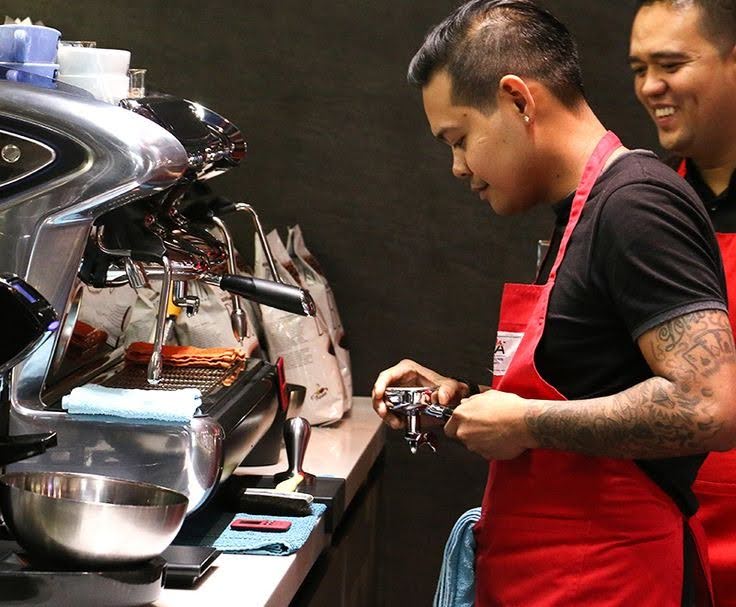
Students usually work with commercial espresso machines, grinders, and brewing tools during the course. They practice milk steaming, latte art, espresso balancing, and drink presentation. Repeating these tasks improves speed and consistency.
This practical environment also teaches workplace discipline. Students learn how to manage busy customer hours, maintain cleanliness, and communicate professionally. These small details often separate average baristas from highly skilled professionals.
Advanced Brewing Techniques In A Modern Barista Course
Modern coffee preparation goes far beyond basic espresso making. Specialty coffee has introduced new brewing styles that require technical understanding and precision. Advanced lessons in a barista course help students explore these modern methods.
Pour-over coffee, AeroPress brewing, siphon brewing, and cold brew preparation have become popular worldwide. Each method requires careful control of temperature, grind size, and extraction timing. Learning these details helps baristas create balanced flavors and premium coffee experiences.
Students also learn sensory evaluation techniques. They understand acidity, sweetness, bitterness, and aroma profiles in coffee tasting sessions. This deeper understanding helps professionals recommend drinks confidently and improve beverage quality in cafés.
Choosing The Right Barista Course For Long-Term Growth
Not every training program offers the same quality. Choosing the right learning environment is important for building professional skills effectively. Students should look for courses that combine theory, practical training, and industry exposure.
Experienced instructors make a major difference in the learning process. Trainers with café experience can provide practical advice that goes beyond textbooks. Their real-world insights help students avoid common mistakes and improve faster.
Course duration, certification value, and equipment quality also matter. A strong barista course should provide access to professional machines and updated coffee techniques. Industry-recognized certificates can also improve job opportunities locally and internationally.
Conclusion
Professional coffee training creates far more than basic drink-making skills. It builds technical knowledge, confidence, creativity, and customer service abilities that are valuable across the growing coffee industry. A high-quality barista course gives students the chance to learn modern brewing techniques while gaining practical café experience.