
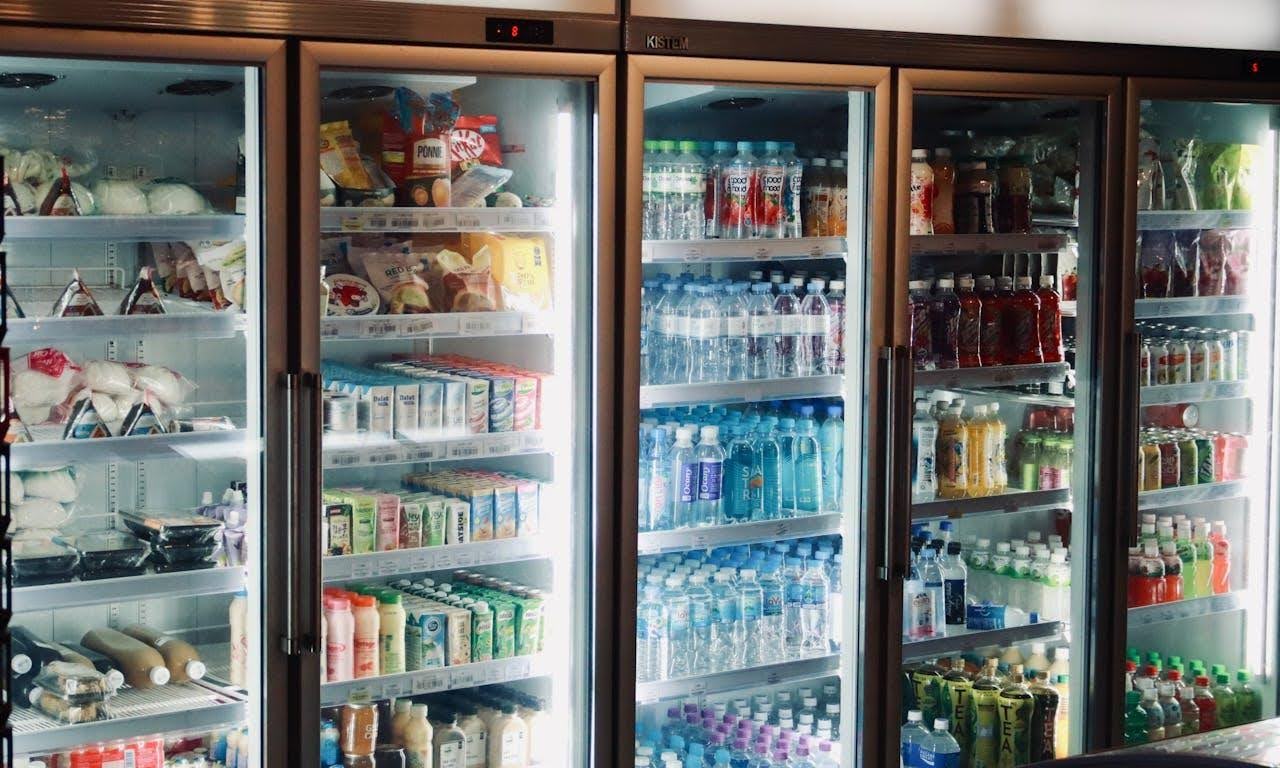
Running a kitchen requires keeping everything fresh. When cooling equipment fails, you risk losing inventory and failing inspections. You put love into the food you prepare, and losing it to a temperature drop feels awful. Fortunately, preventing a cooling disaster takes just a few practical habits.
Schedule Calibration with Commercial Refrigeration Contractors
Keeping thermometers accurate forms the foundation of food safety. Digital and mechanical sensors drift away from true temperatures, leaving you unaware that food sits in the danger zone. Bringing in skilled commercial refrigeration contractors four times a year ensures your displays read perfectly.
They use proper testing tools to spot calibration errors before they cause problems. Your staff will feel confident knowing the screen numbers reflect reality.
Install Remote Alerts for Overnight Temperature Fluctuations
Sleep much better knowing your kitchen watches itself after you lock the doors. A power outage or a failing compressor often happens late at night when nobody is around. Adding smart sensors inside coolers sends instant text messages to your phone if the climate changes unexpectedly.
You gain precious time to move inventory to a working freezer before anything goes bad. This technology serves as your round the clock watchman, protecting your profits while you rest.
Replace Worn Door Gaskets Before Condensation Appears
The rubber seals around cooler doors take a massive beating during busy service hours. When these strips crack, warm air sneaks inside and forces your compressor to work harder. Look closely at door edges every week for small pools of water.
Swapping out damaged gaskets immediately keeps your internal climate stable and extends the life of your entire system. It is a quick fix that saves massive amounts of energy over the year.
Clean Condenser Coils Monthly to Prevent Overheating
Your refrigerator breathes through its coils, and dust suffocates the whole machine. Kitchens naturally produce airborne grease that quickly coats these vital metal fins. Grabbing a stiff brush and a shop vacuum once a month removes this grime.
Letting the machinery breathe freely drops utility bills and prevents catastrophic motor burnouts during the hottest days. This simple cleaning habit adds years to the lifespan of your equipment.
Log Daily Temperatures in a Bound Notebook
Health inspectors love seeing a physical trail of your safety routines during their surprise visits. Grabbing a simple paper journal to record morning and evening cooler readings creates an undeniable record of your diligence.
Writing the numbers down forces your team to actively look at the thermometers. If an inspector walks in, handing them a neat logbook instantly builds trust. It proves you prioritize food safety every single day.
Set Up Automatic Defrost Timers
Ice forming on evaporator coils blocks cold air from circulating properly around your food, causing uneven cooling. Waiting until you have a frozen glacier puts immense stress on internal components.
Programming a reliable timer to melt away frost during your slowest hours keeps the airflow strong and consistent. You will notice much colder temperatures throughout the cabinet. Your ingredients stay crisp and fresh without any manual scraping required.